2026 Pianist in Residence: Alexa Stier Interview
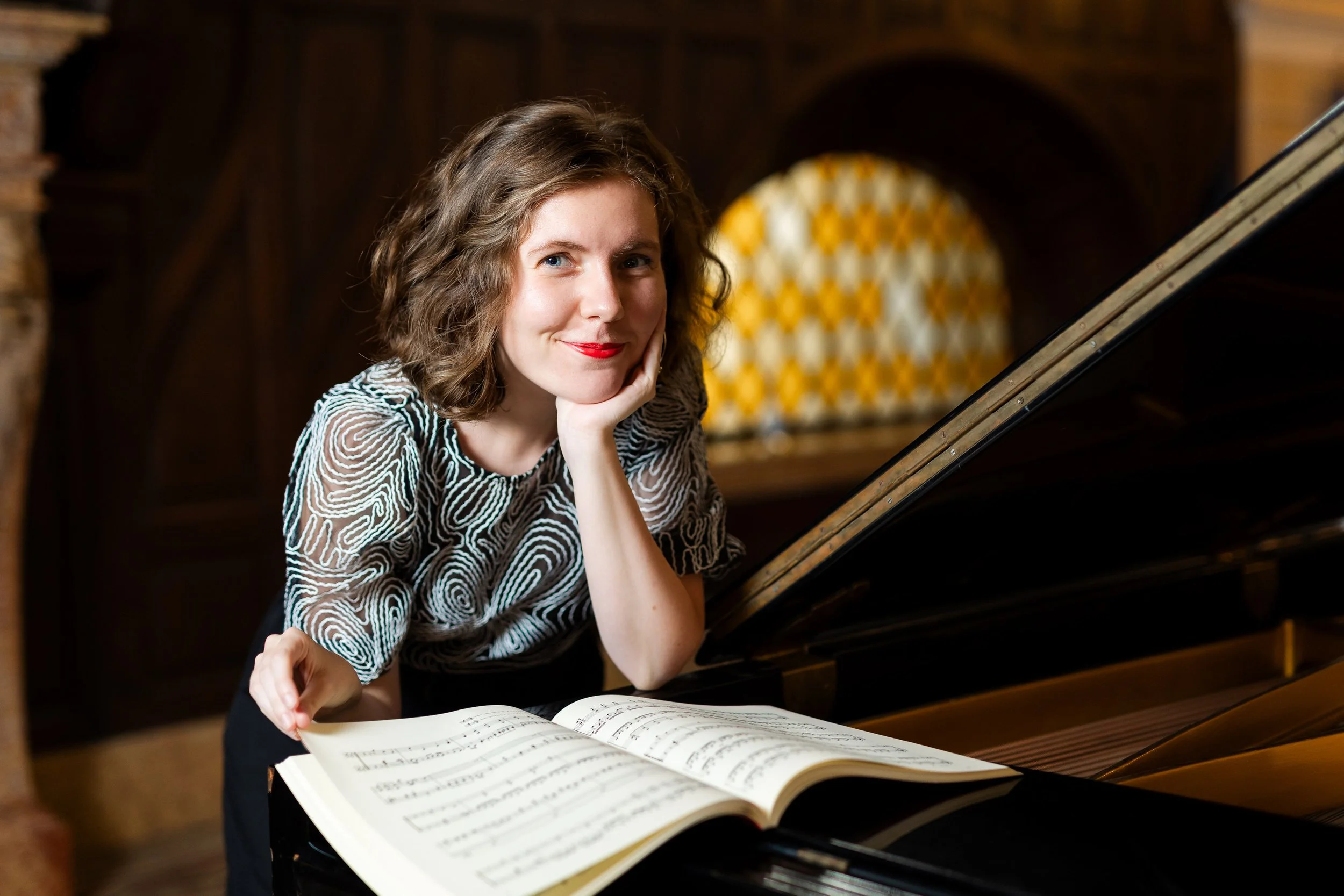
We are excited to introduce our 2026 Pianist in Residence, Alexa Stier. Hailed for her "colorful, flexible, and expressive playing" (Res Musica), Alexa has performed extensively throughout Europe, the United States, and South America. In this introductory interview, she shares her journey as a pianist, artist, and educator — and her message to our FPC/AS community.
PART I: PIANIST
“Ever since my first concerto experience, I knew that I wanted to dedicate my life to music.”
What was your first concert experience like, and how did it feel to perform?
I have performed in studio recitals and regional competitions ever since I started studying piano at the age of four, so sharing music has been part of my life for a very long time. The first concert I remember was my orchestral debut with my hometown’s symphonic orchestra at the age of eleven. I was playing Mozart’s Rondo for Piano and Orchestra in D major. As a kid, I wasn’t really nervous; I just got out there and played. I remember loving the entire experience, and thinking that the piece sounded even cooler than it did on my CD!
When did you transition to a professional career, and was there a specific turning point?
Ever since my first concerto experience, I knew that I wanted to dedicate my life to music, even if practicing consistently didn’t come naturally to me. My family’s encouragement and support was crucial for me to develop discipline and practice efficiently every day. I grew up with the vision of becoming a concert pianist: every recital, competition or festival helped me define my relationship with the instrument. A major turning point came when I moved away from home at fifteen after receiving a musical and academic scholarship to study at the Mary Erskine School in Edinburgh. This was a life-changing experience. I had the opportunity to deepen my English skills and graduate from high school in a new country. I was also able to take piano lessons at the Royal Conservatoire of Scotland, where I later earned my Bachelor of Music degree.
What advice would you give to aspiring pianists?
I would encourage young pianists to think of their musical development as a balanced cycle. Practicing is essential, but it is only one part of the process. Performing regularly, listening to concerts, and exploring recordings are just as important. It is also important to build a sense of community. Being a pianist can sometimes feel solitary, so I always recommend seeking out opportunities to collaborate. Play chamber music, attend festivals, take part in competitions! Making connections and friendships in the music world is incredibly valuable, both personally and artistically.
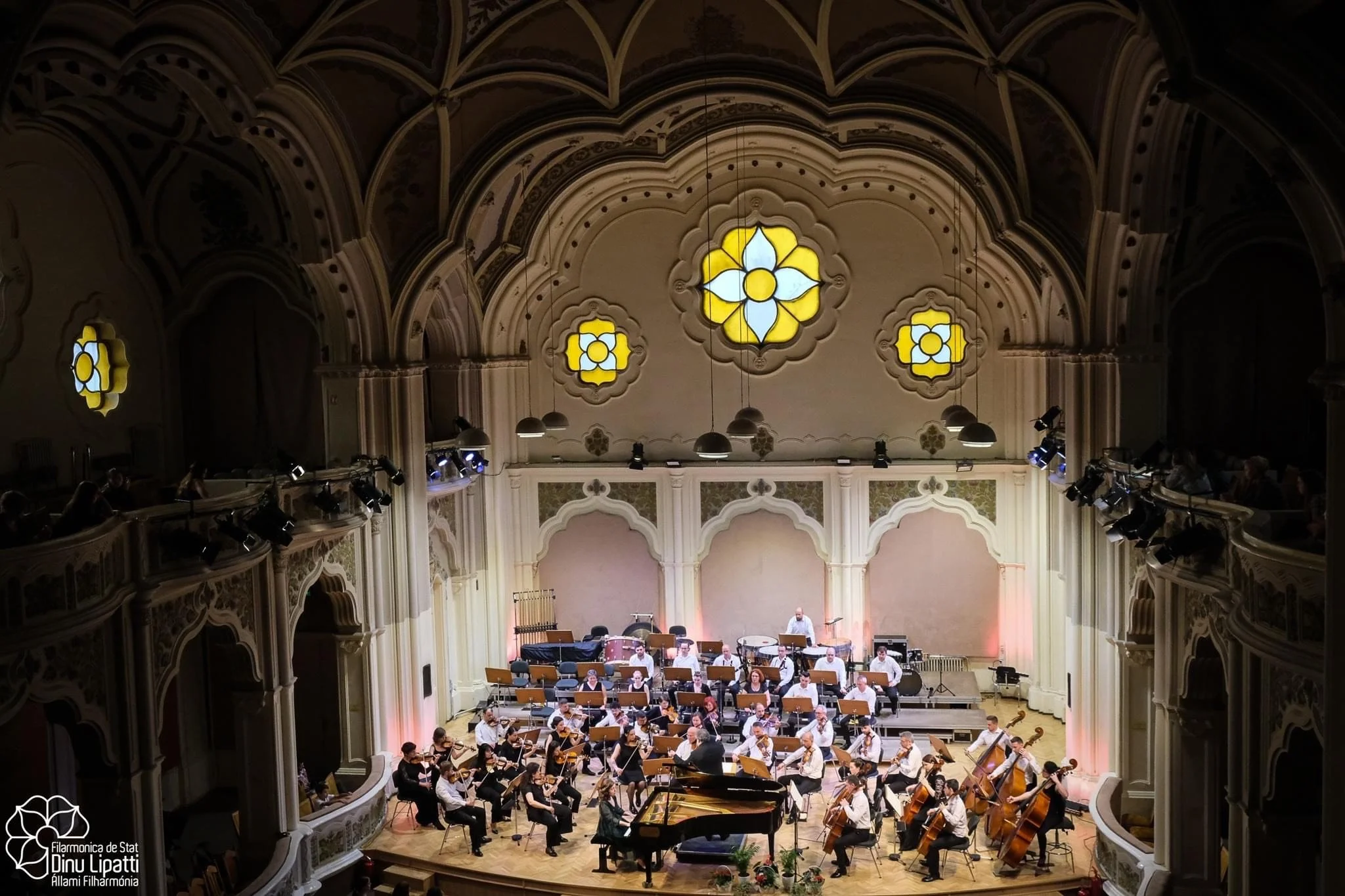
Alexa performing Beethoven's Piano Concerto no. 3 with the Dinu Lipatti Philharmonic Orchestra, Romania
PART II: ARTIST
“Founding the ContemporArt Chamber Music Festival felt like a natural way to bring together my interests in chamber music, education, and contemporary repertoire, and to create a space where all of these can connect with my hometown community.”
How did you start adding new works to your concert programming?
Working on contemporary music was part of my training from early on. My teacher made sure I developed a well-rounded repertoire, and I found myself especially drawn to newer works. Over time, that interest became a central part of my musical identity. During my graduate studies, and especially through experiences like the Orléans International Piano Competition and the Messiaen International Piano Competition, my focus on contemporary and new music became more defined. I began to intentionally build a repertoire centered on twentieth- and twenty-first-century works, with a particular interest in French and Eastern European composers. Alongside performing, I also enjoy engaging with this repertoire through research, lecture-recitals, and conference presentations, which allow me to contribute to the broader conversation around new music.
What do you enjoy most about playing newly composed pieces?
Working on a newly composed piece feels like exploring uncharted territory. I enjoy the process of discovery as I shape the work that does not yet have an established performance tradition. I particularly cherish opportunities when I am able to work directly with the composer. There is also something very exciting about the possibility of giving a first performance, and contributing to the life of the work in a meaningful way.
How did your passion for chamber music develop, and how did that lead to founding the ContemporArt Chamber Music Festival?
My passion for chamber music really took shape during my studies at the Yale School of Music, where it is approached with a real sense of commitment and care. Being in that environment, along with formative experiences at festivals like the Norfolk Chamber Music Festival, I was surrounded by musicians who treated collaboration as an essential part of music-making.
What I love most about chamber music is how immediate and personal it feels. You build something meaningful with people who often become close friends. Performing is centered around reacting and listening to each other, which can be electrifying. Founding the ContemporArt Chamber Music Festival felt like a natural way to bring together my interests in chamber music, education, and contemporary repertoire, and to create a space where all of these can connect with my hometown community. For one week in August for the past three years, the festival offers free chamber music concerts, and involves young local musicians in various chamber music and composition workshops. Each year I select a roster of internationally acclaimed Artist-Faculty, who share their craft with local musicians and audiences. I also invite a Composer-in-Residence to workshop their work during the Festival, culminating in public performances.
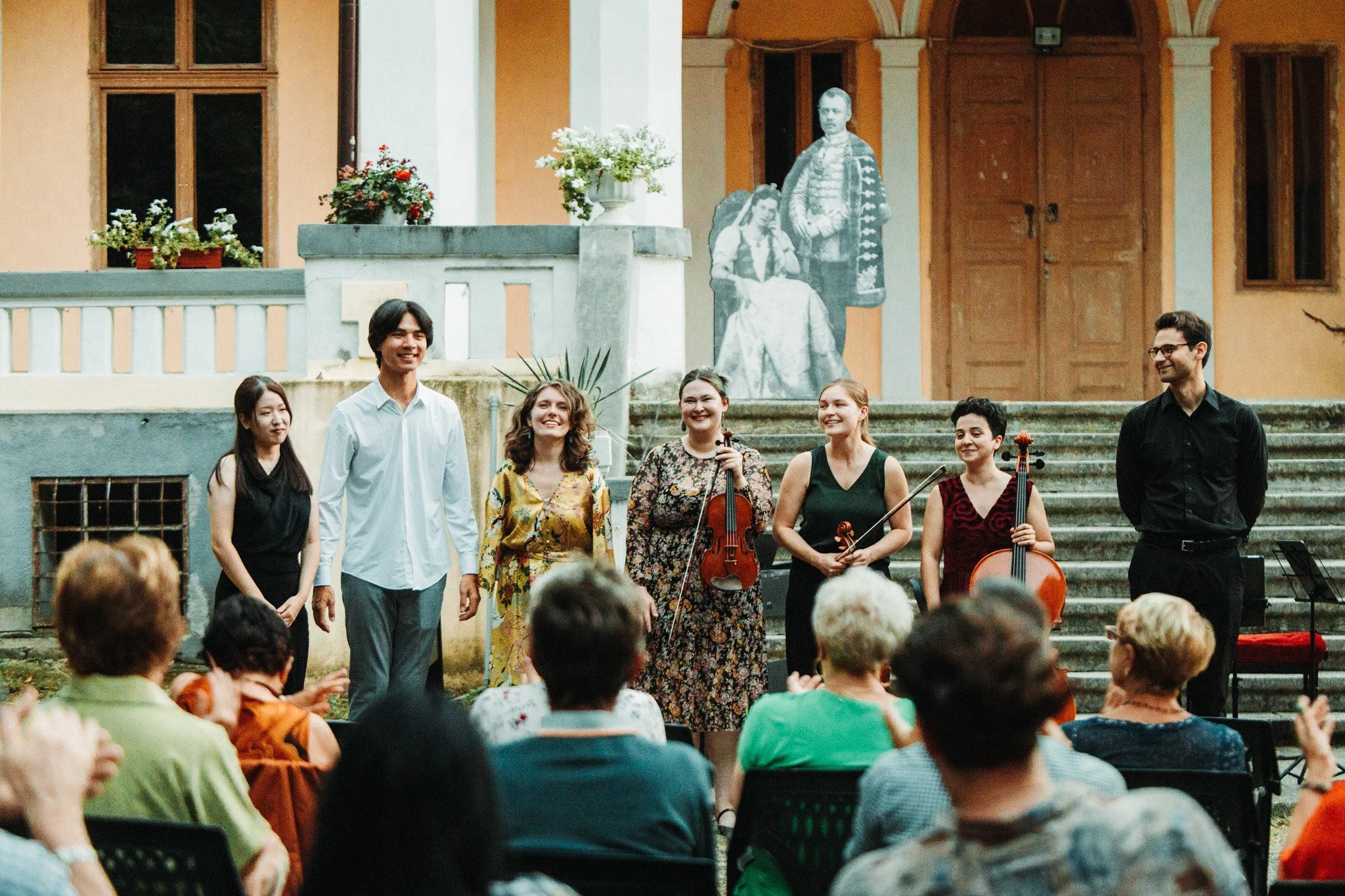
First edition of ContemporArt Festival
PART III: EDUCATOR
“What I enjoy most about teaching is witnessing my students’ “aha” moments, when something suddenly clicks and they make a new connection. ”
Who have been some of your most influential teachers or mentors, and what key lessons did you learn from them?
Two of my most influential mentors have been Boris Berman and Wei-Yi Yang. Working with them shaped both how I think about sound, and how I approach the act of performing. One of the most important lessons I took from both of them is the idea of truly listening to what you create in the moment, rather than rigidly following a preconceived plan. They encouraged flexibility and awareness in performance. Instead of trying to control every detail, I learned to “use my ear” and respond to the sound I am making, which makes each performance feel alive and honest.
When did you start teaching, and do you specialize in any particular areas or approaches?
I began teaching piano during my residency at the Yale School of Music, but I really deepened and clarified my approach during my post-graduate teaching fellowship at the Frances Clark Center for Keyboard Pedagogy.
That experience gave me the space to think more intentionally about what kind of teacher I want to be. I developed a more holistic approach to teaching, one that balances technical foundation, musicality and imagination, and a healthy, sustainable relationship to the instrument.
A big part of that growth came from working with young beginners. With each lesson I teach, I strive to develop my students’ technique while nurturing curiosity at the same time. This shapes how I think about teaching at every level, both beginners and advanced students alike.
What do you enjoy most about teaching?
What I enjoy most about teaching is witnessing my students’ “aha” moments, when something suddenly clicks and they make a new connection. Those moments are incredibly rewarding and remind me why I love teaching in the first place. I also enjoy the process of figuring out what works for each individual student. Every student learns differently, so teaching becomes a kind of creative exploration. I find myself constantly experimenting with new ways of explaining ideas, whether technical or musical, and adapting my approach to meet each student where they are. At the same time, teaching has a direct impact on my own playing. Having to clearly explain what I do at the piano makes me more aware and intentional in my own practice, so it becomes a two-way process of growth.
What aspects of your role as Pianist in Residence at FCP/AS are you most looking forward to?
Honestly, everything! I’m looking forward to discovering new works, collaborating with composers, working with students, and continuing to explore new ideas in pedagogy and performance. It feels like a space where I can grow in multiple directions at once, which is very inspiring to me.
Finally, could you share a brief message for the FCP/AS community?
I feel truly grateful to be part of this community. It is rare to find a place that values curiosity, creativity, and thoughtful teaching at such a high level. I’m excited to learn from all of you, share ideas, and contribute to the energy that makes this community so special.
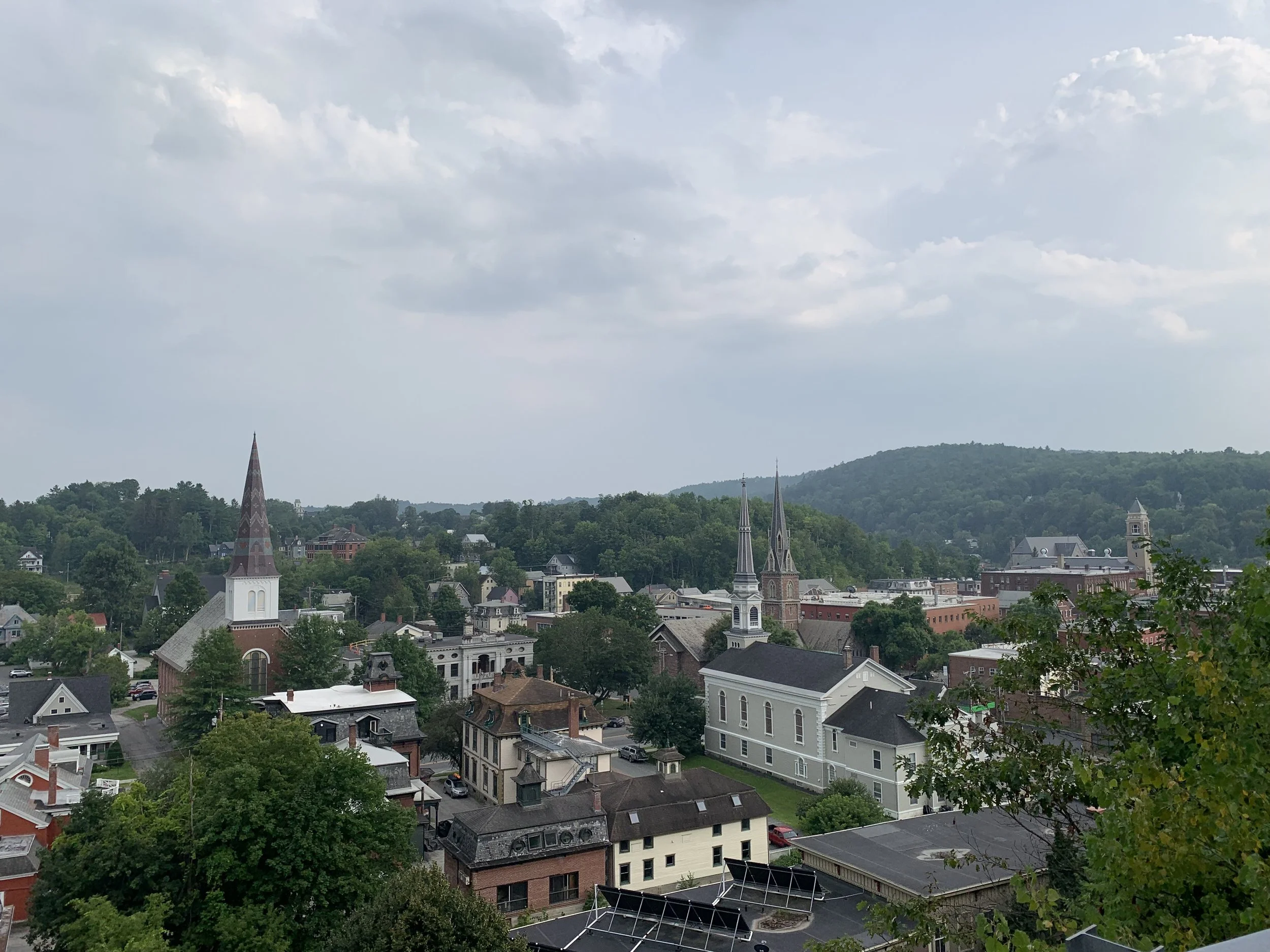
Alexa will be joining us in Montpelier, VT, August 5–9, 2026 — and we'd love for you to be part of it! Attend her workshops and concerts, and experience her artistry firsthand. Enroll here.